
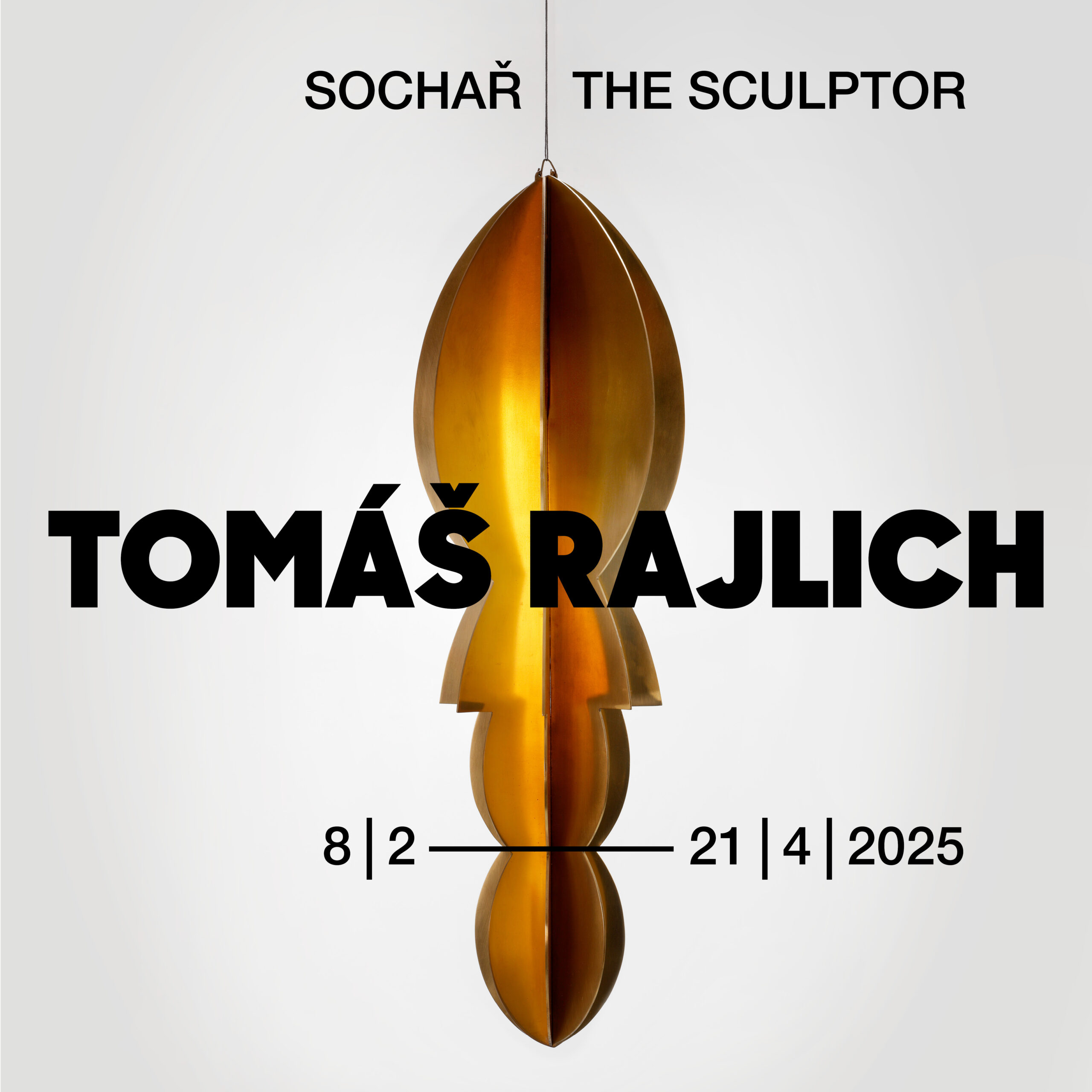
Tomáš Rajlich – the Sculptor
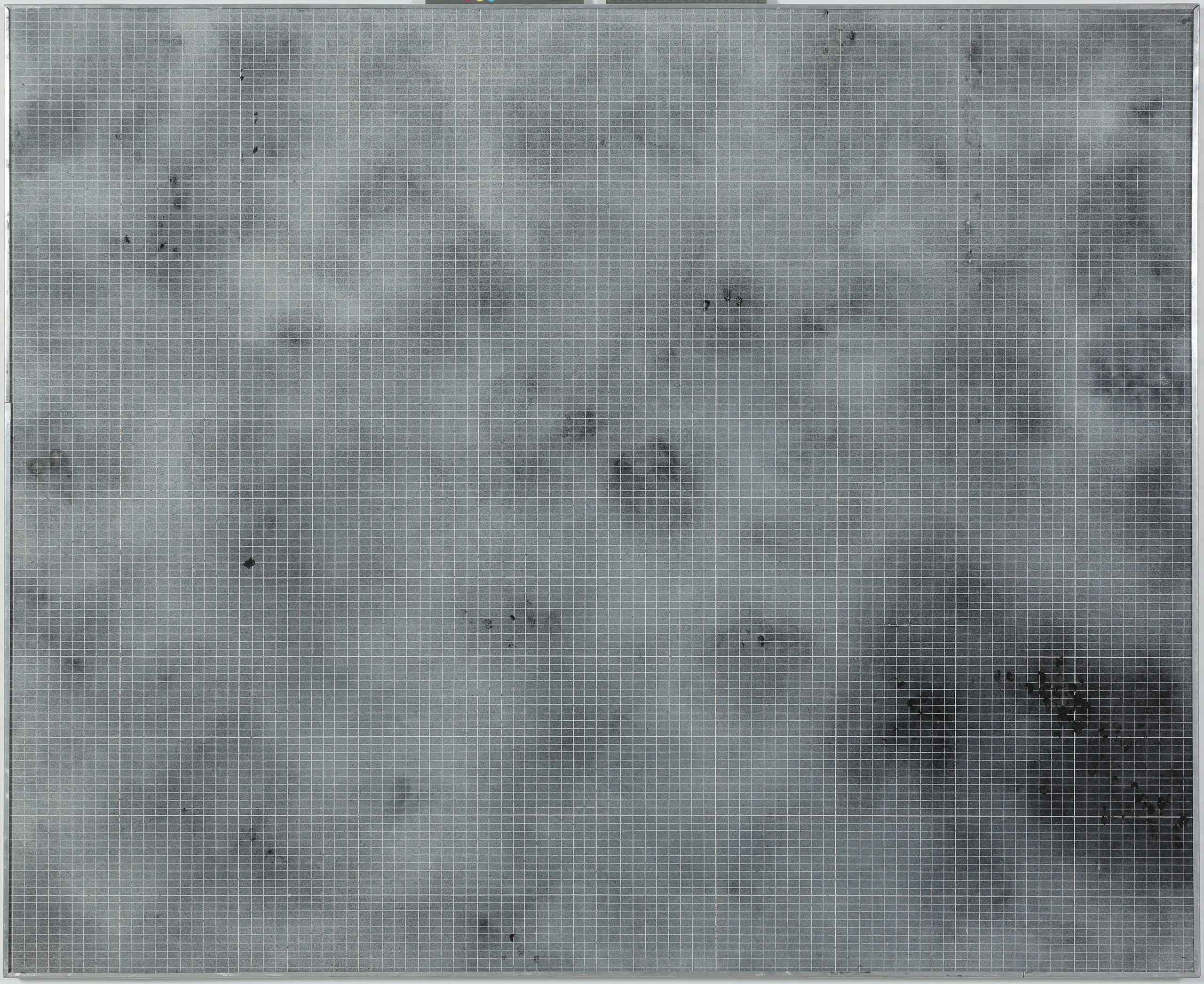
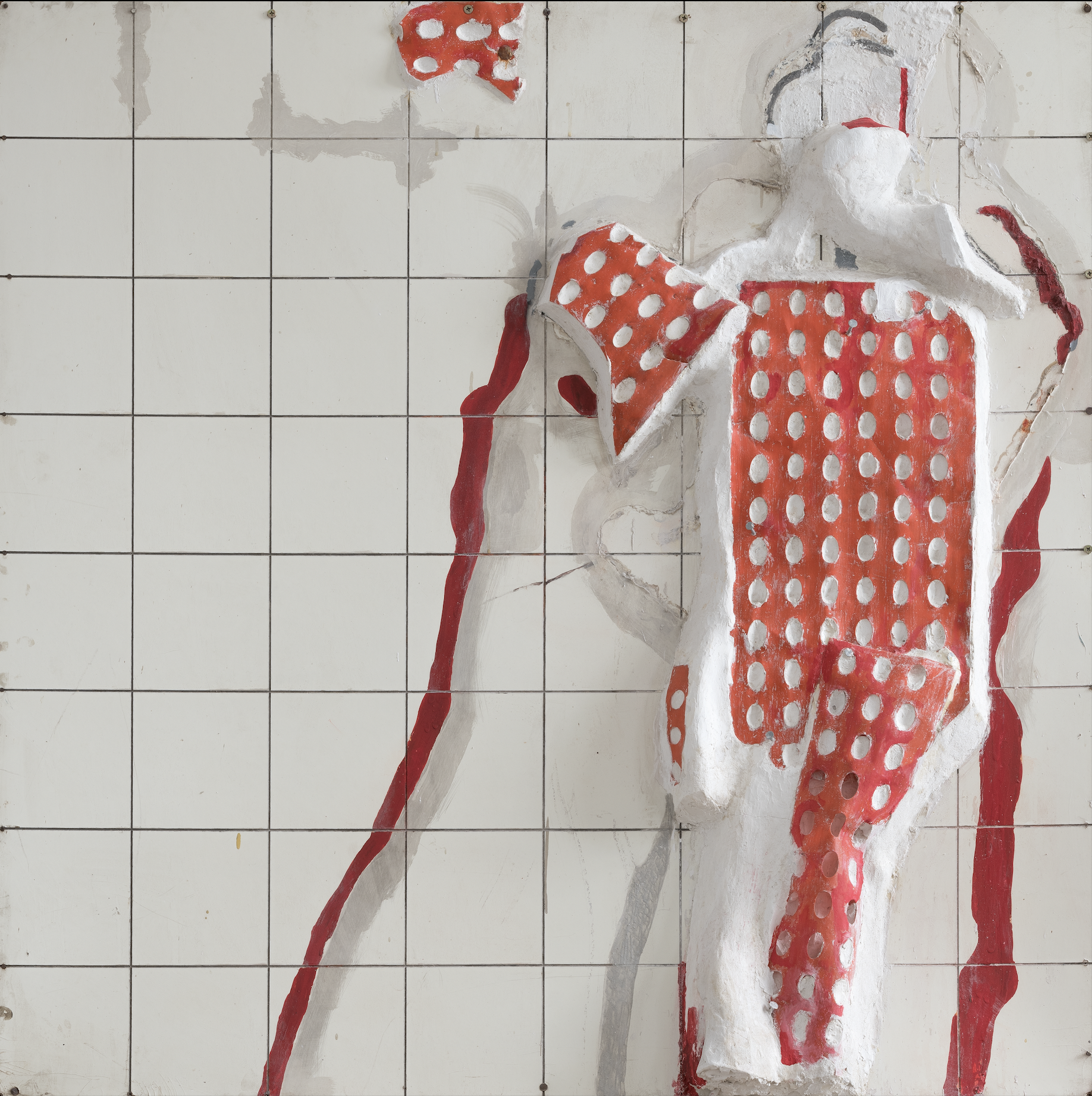
[vc_row content_text_aligment="" use_row_as_full_screen_section="no"][vc_column][vc_custom_heading text="8/2 - 21/4 2025" font_container="tag:h3|text_align:left" use_theme_fonts="yes"][/vc_column][/vc_row][vc_row content_text_aligment="" use_row_as_full_screen_section="no"][vc_column][vc_custom_heading text="Tomáš Rajlich – the Sculptor" use_theme_fonts="yes"][/vc_column][/vc_row][vc_row content_text_aligment="" use_row_as_full_screen_section="no"][vc_column][vc_column_text]While Tomas Rajlich is known today mainly as a minimalist painter, he originally studied sculpture at the Academy of Fine Arts in Prague. An exhibition at former stables of Museum Kampa in early 2025 will focus on Rajlich’s sculptural work from the 1960s. Three dozen of his metal and plastic sculptures and several early geometric drawings will be on display, all are works from before 1969, when he went into exile in the Netherlands. Tomas Rajlich, who will celebrate his 85th birthday during the exhibition, was, together with Jiří Hilmar, Radek Kratina and Arsén Pohribný, one of the founding members of the Concretists Club (Klub konkretistů) in 1967. In the Netherlands, he worked as a teacher at the Academy in the Hague and collaborated with the Yvon Lambert Gallery in Paris. He returned to the Czech Republic for good in 2010. A comprehensive retrospective of his paintings, in which his work gradually evolved from black geometric rasters to shimmering monochromes of pastel colours, took place at the Museum Kampa in 2017. Partners of the exhibition: [/vc_column_text][/vc_column][/vc_row][vc_row content_text_aligment="" use_row_as_full_screen_section="no"][vc_column][vc_single_image image="8416" img_size="full" onclick="custom_link" img_link_target="_blank" link="http://www.lkpumpservice.cz/"][vc_single_image image="8860" img_size="full"][/vc_column][/vc_row]