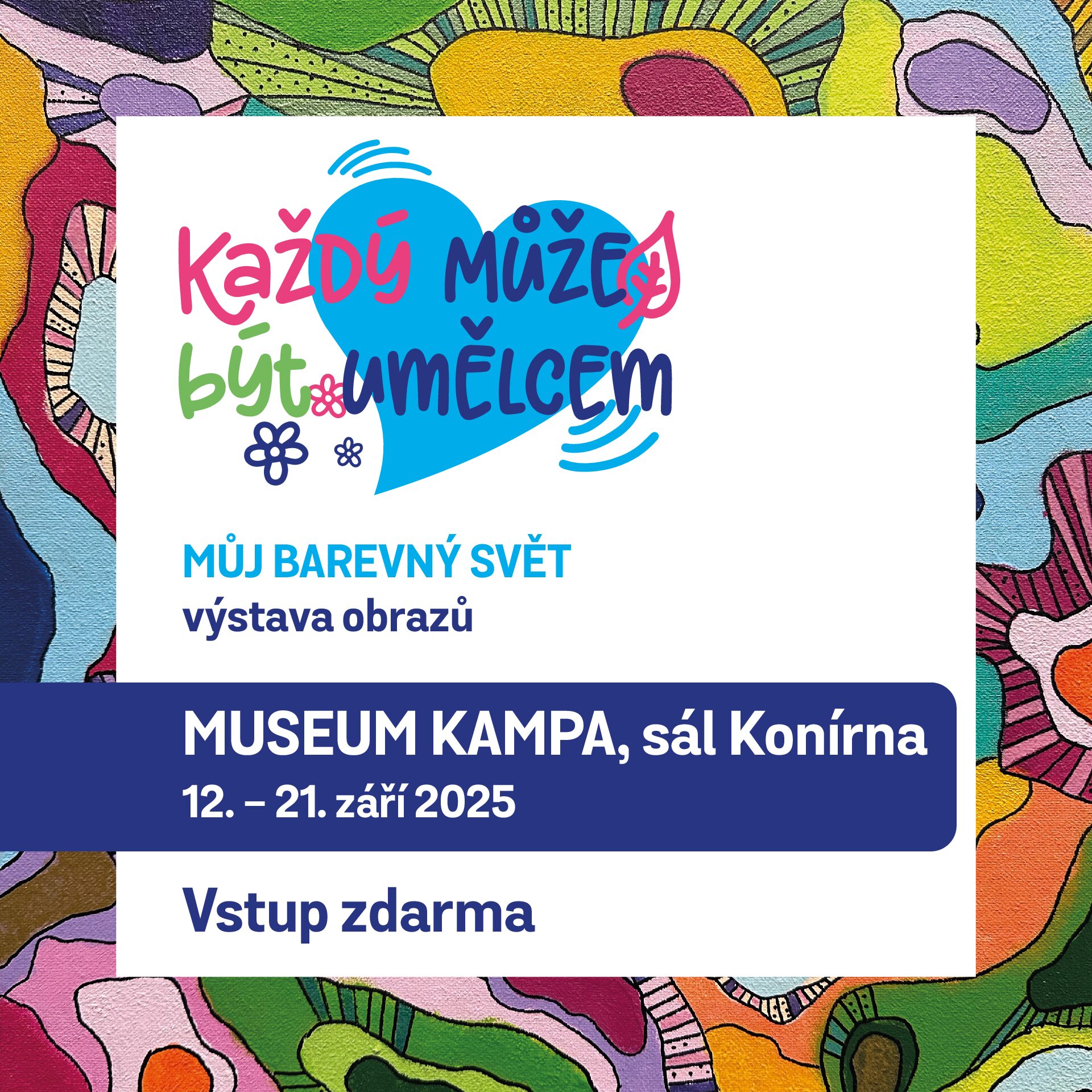
[vc_row content_text_aligment="" use_row_as_full_screen_section="no"][vc_column][vc_custom_heading text="September 12th – 21st 2025 " font_container="tag:h3|text_align:left" use_theme_fonts="yes"][vc_custom_heading text="EVERYONE CAN BE AN ARTIST" use_theme_fonts="yes"][vc_custom_heading text="Exhibition of paintings by people with mental disabilities" font_container="tag:h3|text_align:left" use_theme_fonts="yes"][vc_column_text]EVERYONE CAN BE AN ARTIST presents paintings created by people with intellectual disabilities. The aim of the project is to give visibility to their art and encourage them to keep creating. “Art is about different perspectives on the world. It allows us to see through the artist’s eyes, refreshing our own view and enriching our imagination. Each of these artists creates within their own world, and we are invited to step into it,” says Magdalena Westman, art therapist and member of the expert jury. This is a unique project that brings together people with intellectual disabilities from across the Czech Republic, and with participants from Slovakia it is now gaining an international dimension. This year, 244 artworks were submitted, and 197 of the most compelling will be exhibited. The artists represent a wide range of intellectual disabilities — the youngest participant is 5 years old and the oldest 81. Theme: MY COLORFUL WORLD   October 6, 2025, from 6:00 p.m. Charity online auction of paintings on the platform Livebid.cz For the fourth year in a row, selected works from the exhibition will be available for purchase in an online auction. The full auction price of each painting goes directly to its creator. By purchasing a painting, you support the artist and inspire them to continue their work. You can already browse 213 artworks in the Livebid.cz auction catalog. The deadline for submitting auction limits is October 6, 2025, at 6:00 p.m. Starting bids begin at just CZK 100. We would like to thank everyone who supports us: The project is held under the patronage of the First Lady of the Czech Republic, Eva Pavlová, the Ministry of Culture of the Czech Republic, the City of Prague, and the

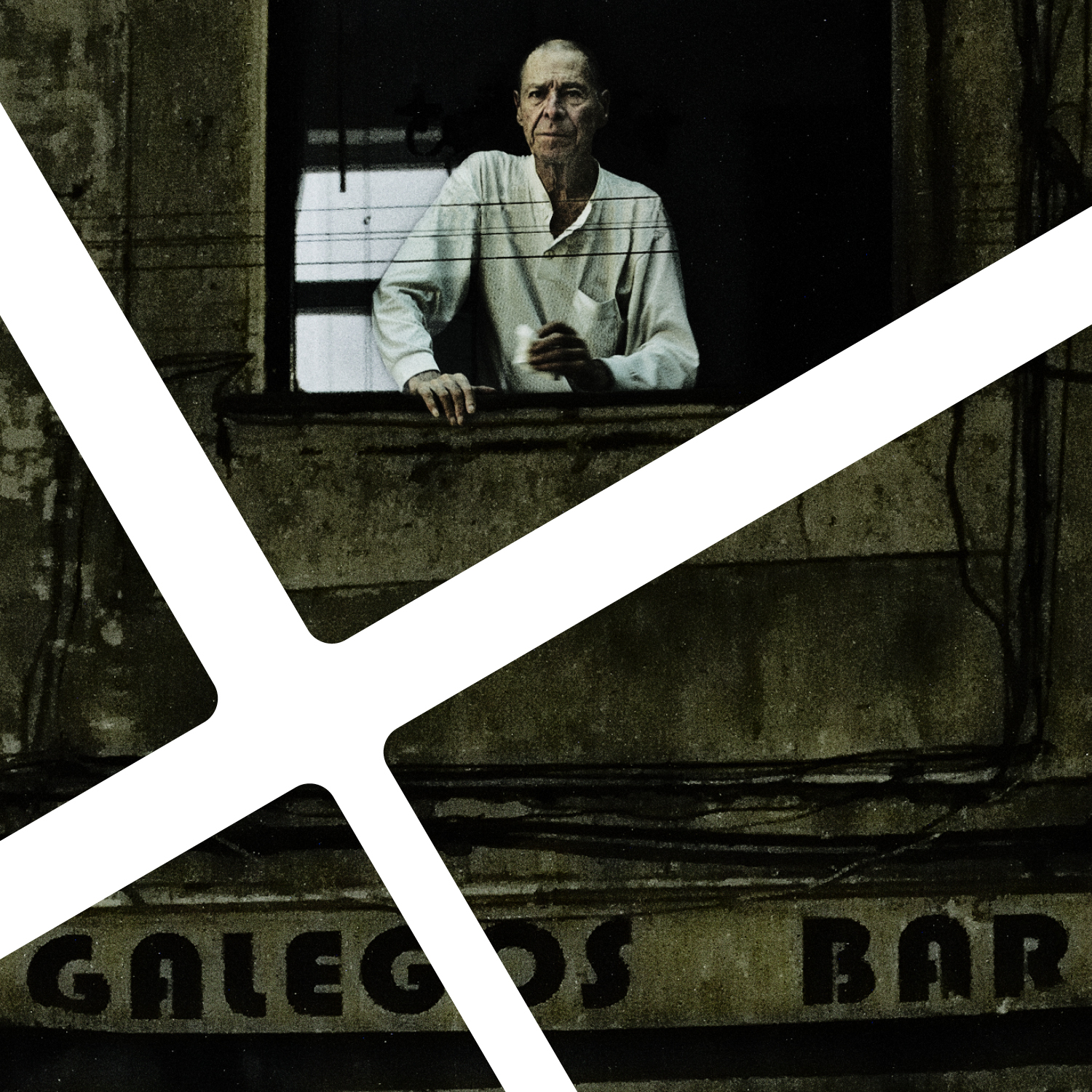
[vc_row content_text_aligment="" use_row_as_full_screen_section="no"][vc_column][vc_custom_heading text="27 September – 26 October 2025 " font_container="tag:h3|text_align:left" use_theme_fonts="yes"][vc_custom_heading text="cityLOVE " use_theme_fonts="yes"][vc_custom_heading text="Give the city your attention, it will give you love in return! " font_container="tag:h3|text_align:left" use_theme_fonts="yes"][/vc_column][/vc_row][vc_row content_text_aligment="" use_row_as_full_screen_section="no"][vc_column][vc_column_text]cityLOVE is a long-term project by Czech photographers Jana Jabůrková and Jiří Turek. The first photos in the series were taken more than 20 years ago. At the exhibition, however, you will only see a small selection of the entire series, which comprises over 600 images from around the world. The basis of all the photos is the atmosphere. It is not important for the photo to be sharp or descriptive. The aim is to capture the disappearing genius loci of cities, so that viewers can experience the unique atmosphere of the place, similar to what the photographers felt when taking the picture.  The authors capture plotlines, sequences of events and everyday stories. The final version’ form will result from the moods and impressions associated with the photo shoot’s progress. Large-format photos with a high-gloss finish are produced using ResinArt technology, whereby a photograph is glued to an aluminum plate and then hand-poured with resin. Some of the exhibited photographs are printed on an archival photographic canvas and also glued to a Dibond aluminum plate. “Do you know that feeling when you’re flying back home, and just before landing, you realise that your city is the best in the world? You experience it just a few kilometers above the ground, and it’s a special moment. Jana and I try to capture that feeling everywhere we are. The only difference is that our feet are on the ground,” explains Jiří.    “We are observers, visitors and random passers-by. We are not artificially looking for the right moment, it will find us on its own. You either feel it or you don't. If you give the city your attention,

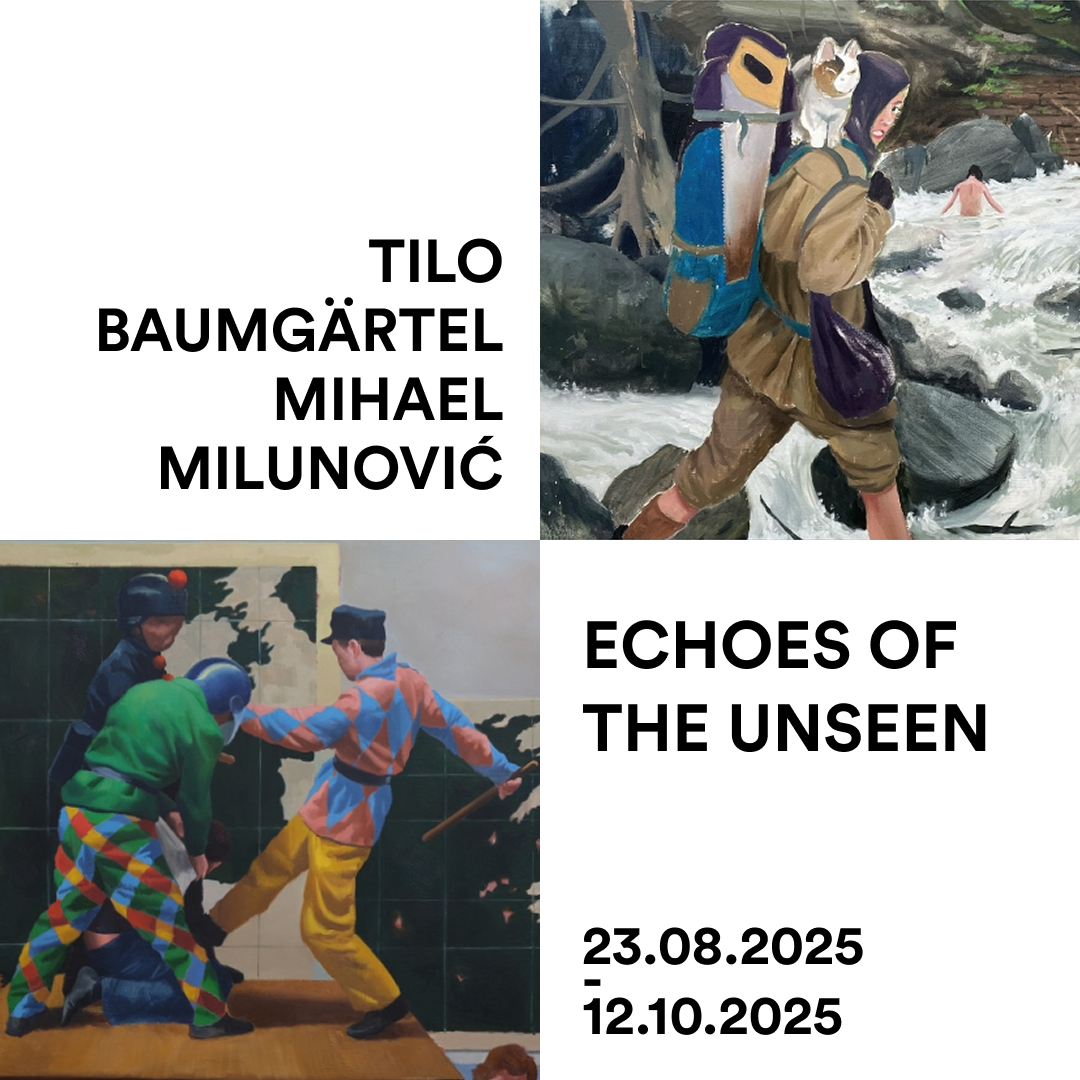
[vc_row content_text_aligment="" use_row_as_full_screen_section="no"][vc_column][vc_custom_heading text="Tilo Baumgärtel, Mihael Milunović" font_container="tag:h3|text_align:left" use_theme_fonts="yes"][vc_custom_heading text="Echoes of the Unseen" use_theme_fonts="yes"][/vc_column][/vc_row][vc_row content_text_aligment="" use_row_as_full_screen_section="no"][vc_column][vc_column_text]The joint exhibition of two generationally kindred artists – Tilo Baumgärtel (1972), based in Leipzig, and Mihael Milunović (1967), who moves between Paris and Belgrade – brings together two distinct painterly worlds rich in layered visual narratives and distinctive dramaturgical strategies, set within realms of distorted reality. Both artists work with nonlinear storylines, capturing ephemeral, simultaneously static and dynamic moments infused with absurd and surreal imagery, dreamlike visions, or fragments of memory – or what might pass as such. They create a sense of a daunting reality that is governed by its own rules and logic. Their painterly compositions present compelling situations situated within believable interior and exterior settings, intensifying the impression of a world slightly off-kilter. Natural elements play a significant role here, adding symbolic dimension and emotional intensity to the scenes. The staged scenes draw on theatrical practices, cinematic strategies or the collage-like assemblies of micro-narratives into complex pictorial spaces where timelines, perspectives, and layers of meanings intertwine.  Echoes of the Unseen offers a glimpse into the current state of European figurative painting while opening up a space for active reflection, intuitive interpretation, and evaluation of what is depicted. Michal Stolárik Curator of the exhibition[/vc_column_text][/vc_column][/vc_row]

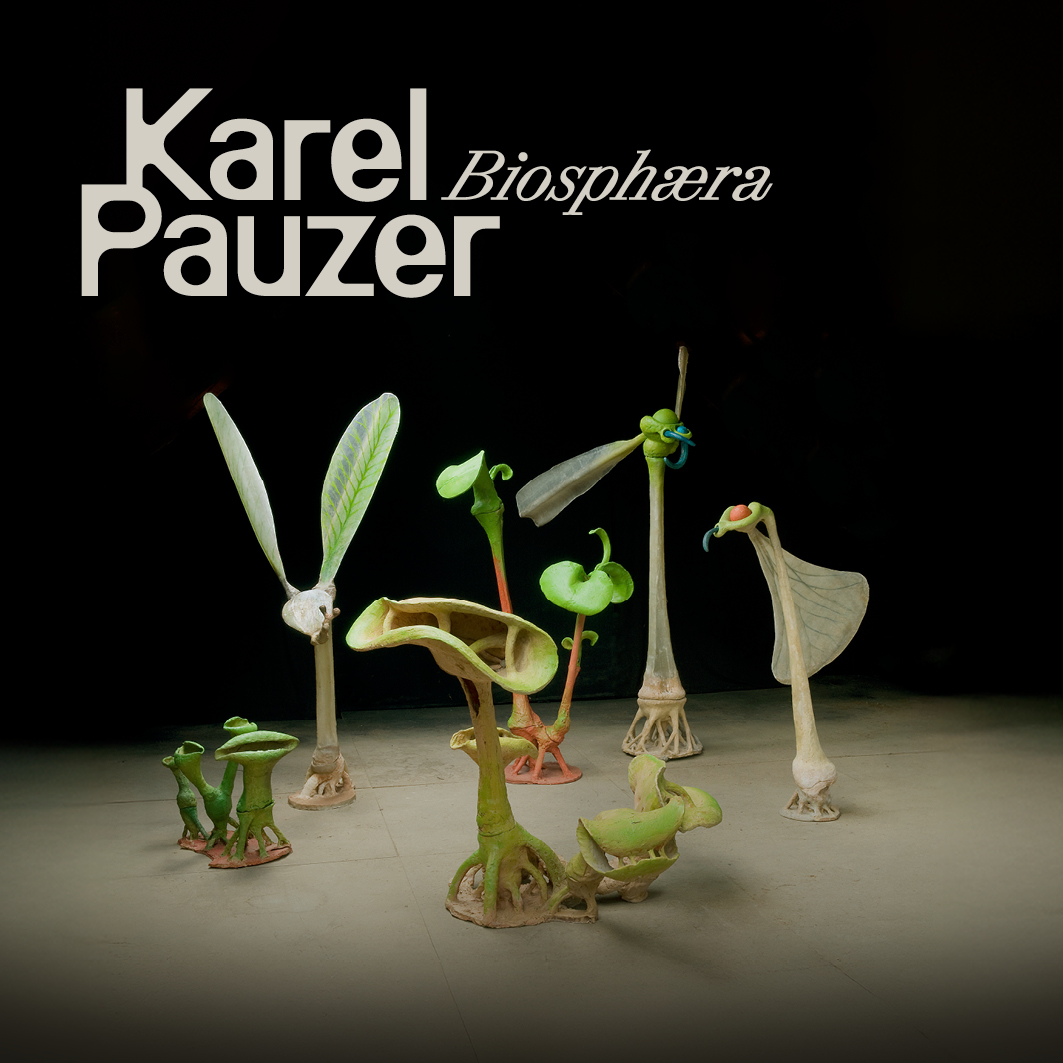
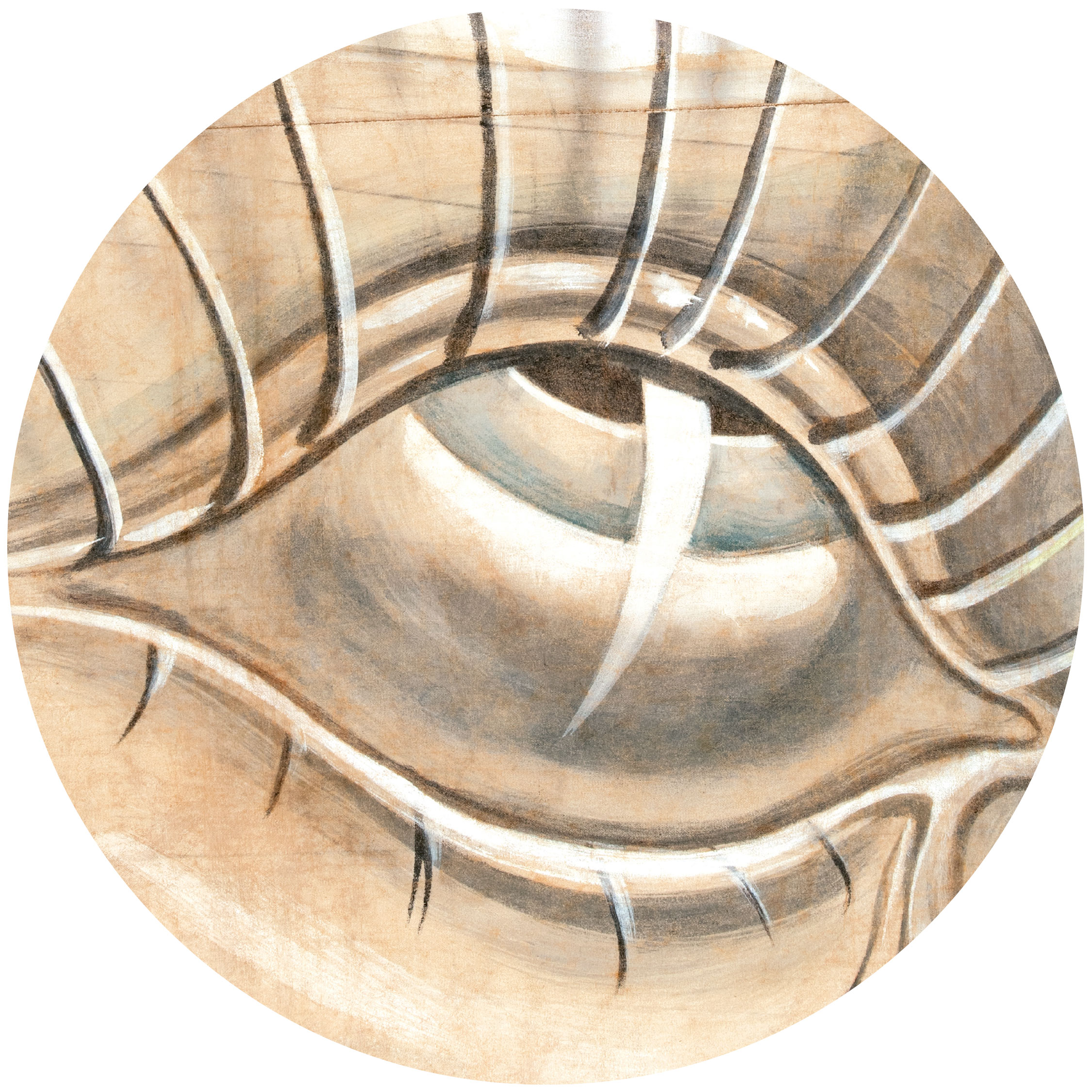
[vc_row content_text_aligment="" use_row_as_full_screen_section="no"][vc_column][vc_custom_heading text="28/6 – 12/10" font_container="tag:h3|text_align:left" use_theme_fonts="yes"][vc_custom_heading text="The Eye in Art 1900-2025" use_theme_fonts="yes"][/vc_column][/vc_row][vc_row content_text_aligment="" use_row_as_full_screen_section="no"][vc_column][vc_column_text]Seeing is a miracle. To see is to know; we equate the eye with knowledge. We say, for example: What the eyes don't see, the heart doesn't grieve over. The eye appears to be a gateway through which the outside world penetrates us. The eye is an important channel of communication, a window to the soul, a portal to the imagination. The eye takes on the symbolism of a guardian, of control. We, the inhabitants of a world of surveillance, watched every second of our lives, on our way to work, in shops, and through our own electronic devices, know this well.  Artists perceive the eye as a door, a kind of mirror, a motif of transition to other dimensions. We have long been aware of the all-seeing eye of the lens, we like to call cinemas OKO (eye) and understand them as a tunnel into the world. There is no escaping the eye. In paintings, objects, videos, and works on paper, you will see treasures from the museum's collections, supplemented by loans from institutions, private collectors, and authors.  These include František Kupka, Salvador Dalí, Man Ray, Andy Warhol, André Derain, Jan Zrzavý, Toyen, František Muzika, Mikuláš Medek, Květa Válová, Dalibor Chatrný, Adriena Šimotová, Karel Pauzer, Karel Nepraš, Milan Knížák, Milan Kunc, Jiří David, Jaroslav Róna, Patricie Fexová, Milan Cais, Josef Bolf, Krištof Kintera, Masker, Jaroslav Vožniak, Pavel Nešleha, Milan Cais, Václav Chochola, Jindřich Štyrský, Václav Zykmund, Václav Tikal, Jaromír Funke, Emila Medková, Josef Dumek, Alén Diviš, Ondřej Navrátil, Lukáš Rittstein, Jan Adamec, Diana Winklerová, Jan Hísek, Luboš Plný, Rudolf Adámek, Anežka Hošková, Jiří Černický, Björn Steinz, Matyáš Maláč, Miloš Ševčík, Naďa Plíšková, Zdenka Hušková, Vladimír Houdek, Nik Timková, Jan Konůpek, Radka Bodzewicz, Yvonne Vácha, Marie Lukáčová,

[vc_row content_text_aligment="" use_row_as_full_screen_section="no"][vc_column][vc_custom_heading text="14/6 – 12/10 2025" font_container="tag:h3|text_align:left" use_theme_fonts="yes"][/vc_column][/vc_row][vc_row content_text_aligment="" use_row_as_full_screen_section="no"][vc_column][vc_custom_heading text="Kupka and Caricature – Mirrors of Truth" use_theme_fonts="yes"][/vc_column][/vc_row][vc_row content_text_aligment="" use_row_as_full_screen_section="no"][vc_column][vc_custom_heading text="František Kupka and Satirical Drawing in Paris 1900" font_container="tag:h3|text_align:left" use_theme_fonts="yes"][/vc_column][/vc_row][vc_row content_text_aligment="" use_row_as_full_screen_section="no"][vc_column][vc_column_text]This exhibition is part of a series of exhibitions dedicated by Museum Kampa to the themes, aspects, and contexts of the work of František Kupka. The last in the series was the 2017 exhibition Neighbours in Art: Marcel Duchamp, Raymond Duchamp-Villon, Jacques Villon and František Kupka, and in 2018, on the centenary of the founding of the Republic, the exhibition František Kupka: Legionnaire and Patriot. This year's exhibition will present the artist's work during the "golden age" of satirical magazines. Although Kupka is primarily known as one of the first to step towards non-figurative art, his satirical work, at first glance diametrically opposed to his later concepts, is in many aspects a substantial part of the artist's oeuvre. Although Kupka later distanced himself from this work from the perspective of his new orientation, there is no doubt that the subversive environment of Montmartre, where he not only lived at the beginning of the last century, but into which he integrated, strengthened his sense of non-conformist solutions, even if in this case it was tied to a satirical critique of social conditions. Other artists of the later "classical avant-garde" also went through this process, such as his aforementioned friend and neighbour, Jacques Villon. There is no doubt that it was through this work, both combative and scandalous, that he entered the public space in Paris, in his native Bohemia, and in Vienna, the city associated with his first successes. Magazine satirical drawings have become a powerful means of visual communication with their ability to provide information quickly and concisely, to „humour“ the problems of modern life while retaining a "touch of

[vc_row content_text_aligment="" use_row_as_full_screen_section="no"][vc_column][vc_custom_heading text="29/4 – 8/6 2025" font_container="tag:h3|text_align:left" use_theme_fonts="yes"][vc_custom_heading text="Eliška Rožátová – Seeing Differently" use_theme_fonts="yes"][vc_column_text]Eliška Rožátová, painter, draughtswoman, glass artist, author of architectural realisations and free sculptural objects, is one of the distinctive and authentic artists who entered the art scene in the early 1960s. She is most often mentioned in connection with the circle of glass artists, but she is also an excellent painter with a unique sense of colour and an unmistakable pictorial manner. She is also an artist gifted with the courage to experiment, which manifests itself in her search for new techniques in the creation of mosaics, in her innovative approach to glass sculpture, and in her contemporary paintings, in which she treats classical painting techniques as freely as she treats glass. The exhibition at the Museum Kampa is a continuation of the monograph published by JB Publishing in 2024 and presents a representative selection of the artist’s lifelong œuvre. It focuses on the innovative work with glass, with reference to the Neo-Expressionist wave of the 1980s, and contemporary painting; two glass tables will be created especially for the terrace space, and the Narušená struktura  (Disturbed Structure) from 1989 will be reinstalled there.[/vc_column_text][/vc_column][/vc_row][vc_row content_text_aligment="" use_row_as_full_screen_section="no"][vc_column][/vc_column][/vc_row]

[vc_row content_text_aligment="" use_row_as_full_screen_section="no"][vc_column][vc_custom_heading text="22/2 – 1/6 2025" font_container="tag:h3|text_align:left" use_theme_fonts="yes"][vc_separator][/vc_column][/vc_row][vc_row content_text_aligment="" use_row_as_full_screen_section="no"][vc_column][vc_custom_heading text="Pavel Reisenauer" use_theme_fonts="yes"][/vc_column][/vc_row][vc_row content_text_aligment="" use_row_as_full_screen_section="no"][vc_column][vc_column_text]Pavel Reisenauer (1961–2024) is best known as the author of the distinctive covers and illustrations for the weekly magazine Respekt and the drawings for the Orientace supplement of the Lidové noviny daily. However, his cooperation with the print media was only the most visible part of his work, which overshadowed a much broader spectrum of his lesser-known or completely unknown artistic expressions – paintings, free drawings, illustrations, comics, and photographs. Unlike the weekly prints, however, these were almost never published.  The present exhibition strives to highlight these unknown positions of Reisenauer’s work alongside his iconic covers and to offer a more comprehensive view of what he was concerned with in his artistic practice. From this starting point, it will be possible to explore the relationship between Reisenauer’s ‘applied’ magazine art and his other works, particularly his paintings: were his paintings a sideline, however intrinsically motivated, an attempt to match the popular newspaper illustrations or unjustly overlooked works?  The exhibition, prepared in cooperation with the magazine Respekt, will present a wide selection of black-and-white and colour covers from Respekt and the front pages of the Orientace supplement, as well as a number of paintings, drawings, digital prints and photographs. Curators: Alena Pomajzlová, Petr Bielický[/vc_column_text][/vc_column][/vc_row]

[vc_row content_text_aligment="" use_row_as_full_screen_section="no"][vc_column][vc_custom_heading text="12/4 – 15/6 2025" font_container="tag:h3|text_align:left" use_theme_fonts="yes"][/vc_column][/vc_row][vc_row content_text_aligment="" use_row_as_full_screen_section="no"][vc_column][vc_custom_heading text="Miloš Cvach and Sophie Curtil: Harmony of Opposites" use_theme_fonts="yes"][/vc_column][/vc_row][vc_row content_text_aligment="" use_row_as_full_screen_section="no"][vc_column][vc_column_text]The exhibition of the Czech artist Miloš Cvach (1945) and the French artist Sophie Curtil (1949) aims to outline their creative development from their student years to the present. In a chronological line and in a mutual confrontation, it reveals the specifics, intersections and differences of the respective artists whose private and professional paths crossed each other half a century ago. Their creative personalities crystallised in the climate of a free society, in France, where Miloš Cvach immigrated to escape the Czechoslovak ‘normalisation’ totalitarianism in the mid-1970s and joined his wife, Sophie. Both of them were thus able to naturally assimilate the contemporary tendencies of world art, such as minimalism or the Arte Povera movement, and formulate their authentic artistic expression against their background. Even though they expressed themselves in the language of geometric abstraction, their work always remained firmly anchored in the tangible world – especially the landscape and urban architecture. Their creative processes derive from careful observation of natural and cultural phenomena, through the exploration of their internal laws, to their final translation into eloquent artistic compression. The concept of the exhibition at the Museum Kampa was inspired by the remarkable book L’art par quatre chemins (To Art by Four Ways), in which Miloš Cvach and Sophie Curtil offered a unique opportunity to interpret works from the history of art. Their playful interpretation based on the ‘poetics of the four elements’, as defined by the French philosopher and aesthetician Gaston Bachelard, can be applied to their own work.  The register and colouring of Miloš Cvach’s works show affinity with the aesthetics attributed to the Far East. The precisely constructed shapes of his reliefs possess the lightness and elegance of

[vc_row content_text_aligment="" use_row_as_full_screen_section="no"][vc_column][vc_custom_heading text="29/4 – 8/6 2025" font_container="tag:h3|text_align:left" use_theme_fonts="yes"][/vc_column][/vc_row][vc_row content_text_aligment="" use_row_as_full_screen_section="no"][vc_column][vc_custom_heading text="Ladislava Gažiová – Čekání" use_theme_fonts="yes"][/vc_column][/vc_row][vc_row content_text_aligment="" use_row_as_full_screen_section="no"][vc_column][vc_column_text]Ladislava Gažiová (* 1981) is one of the outstanding personalities of the contemporary art scene. After two years of studies in Košice, she moved to Prague at the beginning of the millennium, where she attended the studios of Vladimír Skrepl at the Academy of Fine Arts and Jiří David at the Academy of Arts, Architecture and Design. She has had dozens of individual and group exhibitions in the Czech Republic and abroad. In addition to her own work, she has also curated exhibitions of other artists. In 2024, she became the second laureate of the Meda Mládek Prize. The expert jury, consisting of independent experts and representatives of Museum Kampa, recognised the uniqueness of Gažiová’s artistic expression and her ability to raise important social issues through her paintings and curatorial work. The exhibition Waiting in the premises of the so-called Stables will present a selection of Gažiová’s most recent works. It is the artist’s first major exhibition in nine years.[/vc_column_text][/vc_column][/vc_row]

[vc_row content_text_aligment="" use_row_as_full_screen_section="no"][vc_column][vc_custom_heading text="8/6 - 8/9 2024" font_container="tag:h3|text_align:left" use_theme_fonts="yes"][/vc_column][/vc_row][vc_row content_text_aligment="" use_row_as_full_screen_section="no"][vc_column][vc_custom_heading text="From Lines to Matter / Vojtěch Kovařík" use_theme_fonts="yes"][/vc_column][/vc_row][vc_row content_text_aligment="" use_row_as_full_screen_section="no"][vc_column][vc_column_text]If our destinies are predetermined, what place does that leave for free will? For luck? For chance? Vojtěch Kovařík confronts the issue in his paintings – and with the current exhibition at Museum Kampa, he steps into the third dimension: the smooth surface of his paintings are accompanied by reliefs and sculptures, with the artist’s path leading from lines that divide the canvas to sculptural works. The themes in this exhibition are universal, touching on the very foundations of Euro-American civilization. Even today in the third millennium, ancient myths, gods and goddesses, Titans, heroes and heroines are all still relevant, their robust forms exceeding the monumental format of the paintings. We may see them as archetypes, whose stories and actions have served since time immemorial to mark the limits and possibilities of our own passage through life and search for meaning. These oversized heroes are megalopsychoi, the great-souled men, the first individualities. Perhaps that is why we may only catch a glimpse of them through the window frame of the canvas, not in their entirety. Sisyphus sinks under the weight of his actions. The parting lovers Eros and Psyche suffer the burden of predestination. The labours of Heracles speak to the fulfilment of destiny, the first of these being to train the Nemean lion. Just as Zeus’s son made himself invulnerable wrapped in his lion skin, so too does the painter face more and more challenges that seem impossible to overcome. The reduced setting of the paintings consists of a stylized interior and Mediterranean landscape, fertile and arid, dusk or dawn, inlets, deserts, and oases. The artist’s approach is authentic: a unique syncresis of the influences of antiquity, modernity, and the digital present.